How to Tie Paid Media Spend to Actual Sales, Not Clicks
A plain guide to measuring display, streaming TV, social, and programmatic against revenue you can verify in your books.

TL;DR
Clicks and impressions do not pay your bills, so connect every paid channel to a real sales record before you trust it. The practical method is to agree on one definition of a conversion, hold back a control group when you can, and compare reported results against your own books on a fixed schedule.
Measure paid media against sales you can find in your own records, not the click and impression counts a platform reports back to itself. Pick one definition of a conversion, track it from ad to revenue, and reconcile the platform's numbers against your books on a set schedule. When a channel cannot be tied to a sale, treat its reported results as a claim, not a fact.
Most overspending comes from trusting a metric that looks like performance but isn't. A click is interest. A sale is money. The gap between them is where budgets quietly leak.
Why do clicks and impressions mislead buyers?


Platforms grade their own homework. The same system that sells you the ad also reports how it performed, using its own rules.
Those rules are usually generous. A platform may claim credit for a sale because someone saw an ad days earlier, even if that person would have bought anyway. This is called view-through attribution, and it reliably inflates the platform's apparent contribution.
The honest question is simpler: did revenue go up when you spent, and did it fall when you stopped? That answer lives in your sales records, not in a dashboard.
What does it mean to measure against real sales?
It means connecting an ad exposure to a transaction you can confirm. That transaction lives in your point-of-sale system, your e-commerce backend, or your CRM, where money actually landed.
Before any campaign runs, write down a single conversion definition. Decide whether a conversion is a completed purchase, a booked appointment, or a qualified lead. Then hold to that definition across every channel.
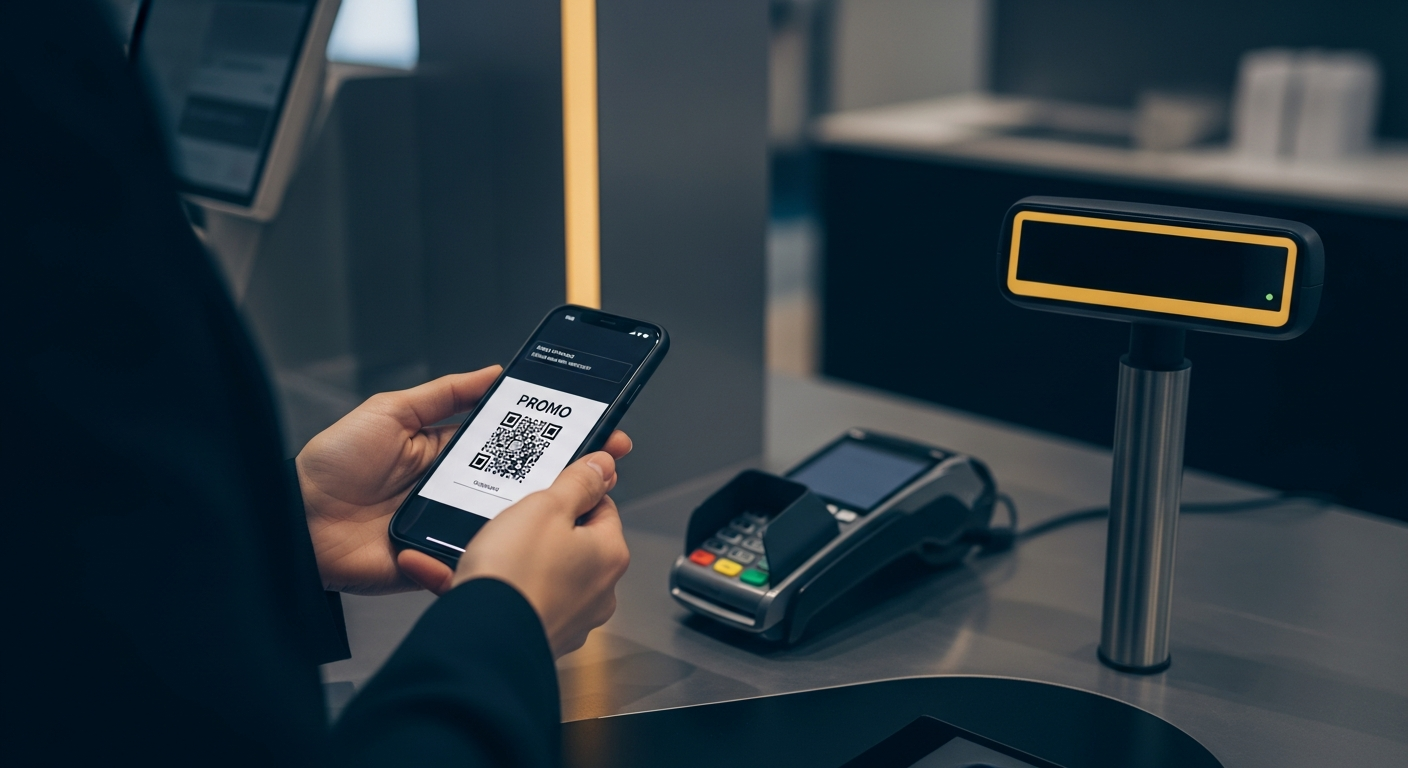
Make sure the sale can be traced. Use unique phone numbers or promo codes for offline channels, and pass order value back into your tracking for online ones. The goal is one clean line from "saw the ad" to "paid us."
How do you set up tracking that holds up?
Decide on the conversion first, then build the plumbing to record it. The plumbing matters more than the platform.
A few methods that survive scrutiny:
- Server-side conversion tracking, which sends confirmed orders from your own system rather than relying on a browser pixel alone.
- Unique promo codes per channel, so a code redeemed at checkout points back to the campaign that issued it.
- Dedicated phone numbers for streaming TV and display, so calls are attributed to the channel that drove them.
- A "How did you hear about us?" field at checkout, used as a sanity check against platform claims.
None of these is perfect on its own. Together, they let you compare what the platform reports with what your records show, which is the whole point.
For the mechanics of buying and placing ads across channels, see our overview of Media Buying.
Want this working on your numbers?
Viewmedia makes marketing you can prove, matched to real, closed sales.
How do you prove a channel actually caused sales?

Use a holdout test when the channel allows it. A holdout, sometimes called a control group, withholds ads from a random slice of your audience or market, then compares their behavior to the group that saw ads.
If the exposed group buys more than the held-out group, the difference is incremental: sales the ads actually caused. This is the cleanest evidence available short of a full marketing mix model, and it doesn't depend on the platform's attribution rules at all.
Geographic holdouts work well for streaming TV and broad display. Run ads in some regions, skip others, then compare sales by region over the same window. Meta and Google both offer conversion lift and geo experiment tools built on the same logic.
When a true holdout isn't possible, try the spend-and-stop test: pause the channel for a defined period, watch your revenue, then turn it back on. It's blunt, but it's honest.
How should each channel be judged?
Each channel earns trust differently, because each sits at a different point in the buying decision.
Display retargeting often shows strong reported numbers because it reaches people who already visited you. Some of those people would have come back without the ad. Judge retargeting against incremental lift, not raw conversion counts. Our guide to Display Retargeting covers where it helps and where it takes credit it didn't earn.
Streaming TV and connected TV usually generate demand you measure indirectly, through brand searches, direct site visits, and call or store activity. Treat OTT and CTV as a demand source and measure it with holdouts and time-based comparisons, not last-click reports.
Social and programmatic span both jobs. They can prospect for new buyers and retarget warm ones. Separate those campaigns and measure them apart. Blend them together and you'll never know which half is working.
How often should you reconcile the numbers?
Reconcile on a fixed cadence, usually monthly. Compare three figures side by side: what you spent, what the platform claimed, and what your books show.
The third number governs. If the platform reports 100 sales and your records show 60 that trace back to that channel, plan against the 60. Use the gap as a discount rate you apply to that platform's future claims.
Keep the comparison simple and consistent. A spreadsheet with spend, platform-reported conversions, verified conversions, and revenue per channel will tell you more over six months than any single dashboard view.
One guarantee worth naming
We're careful about promises, because most performance guarantees in this industry don't survive contact with real data. The one measurable commitment we stand behind is a 15% open rate on consumer email campaigns. Everything else gets measured against your actual sales and reported plainly, including the parts that underperform.
Founder, Viewmedia
Brian Wroblewski is the founder of Viewmedia. For more than two decades he has helped local and regional businesses turn marketing spend into provable, closed sales.