How to Show Up in the Google Maps Local Pack
A plain guide to the three Maps results most local buyers click, and the work that actually moves you into them.
TL;DR
The local pack is the set of three Google Maps listings shown above the regular results for local searches. You earn a spot by verifying and completing your Google Business Profile, matching your address and phone everywhere they appear online, and collecting steady, recent reviews. There is no paid shortcut into the organic pack, and no honest provider can promise position one.
The local pack is the block of three business listings with a map that Google shows at the top of results for searches like "plumber near me" or "dentist in Sarasota." You get in by claiming and fully completing your Google Business Profile, keeping your name, address, and phone number consistent across the web, and earning steady reviews. No fee buys an organic spot, and nobody can guarantee you the top position.
This guide covers what Google says drives those rankings and the order I'd do the work in.
What is the local pack and why does it matter?
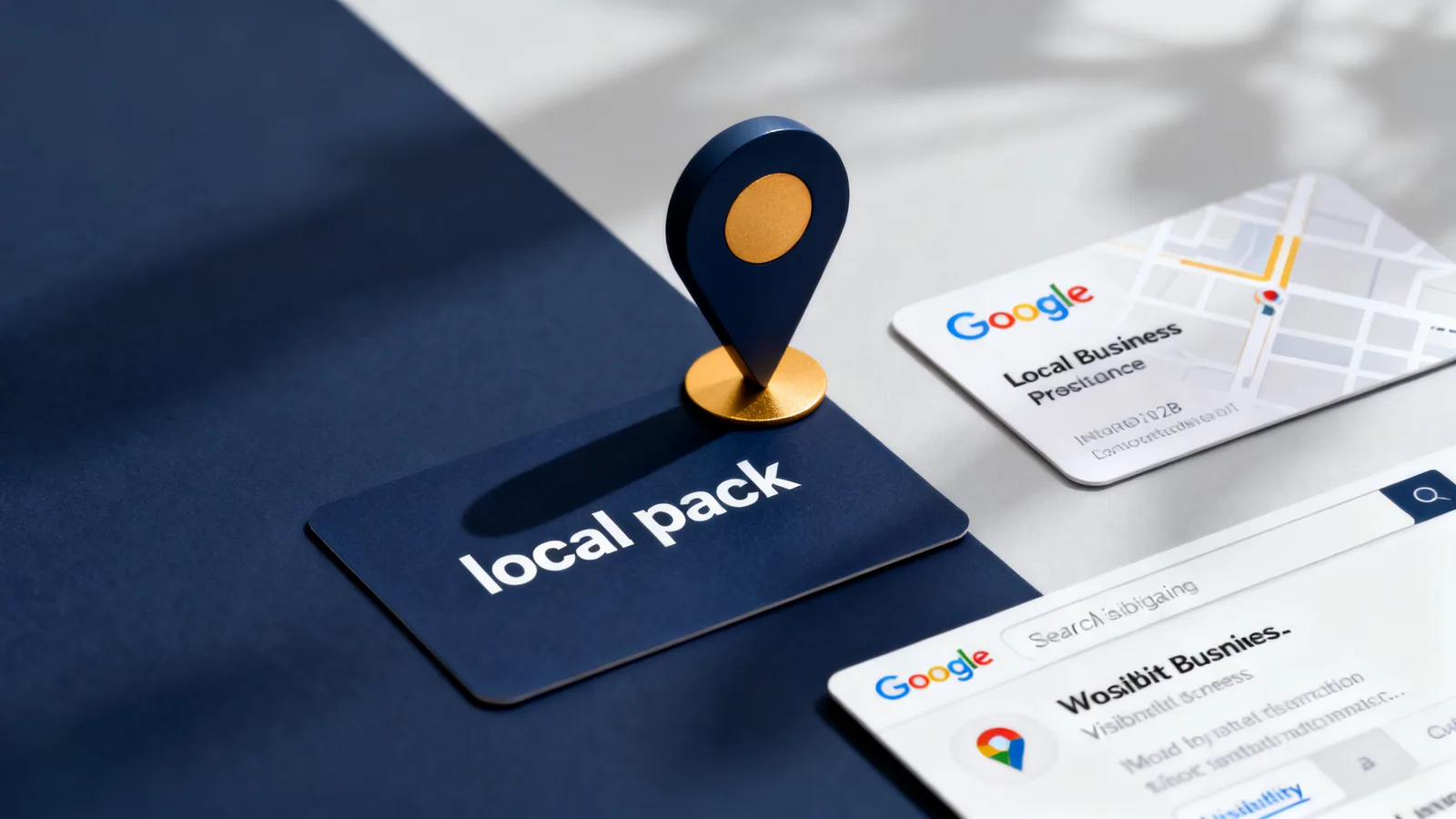
The local pack is the group of three Google Business Profile listings that appears, with a small map, above the standard blue links. Google calls these "local results."
It sits at the top of the page for searches with local intent. When someone searches for a service plus a city, or searches from a phone where Google knows their location, the pack is usually the first thing they see and tap.
The listings pull from Google Business Profile, the free tool Google provides for businesses. So the first move is owning and completing that profile.
How does Google decide who ranks in the local pack?
Google says local ranking comes down to three factors: relevance, distance, and prominence. That's stated directly in Google's own documentation (Google Business Profile Help).
Relevance is how well your profile matches what the person searched. A complete profile with the right categories and services gives Google more to match against.
Distance is how far your business is from the searcher or the area they named. You can't move your location, but you can make sure your address and service area are accurate.
Prominence is how well known your business is. Google says it's informed by links, articles, directories, your review count and score, and your position in regular web results.
What should I fix on my Google Business Profile first?
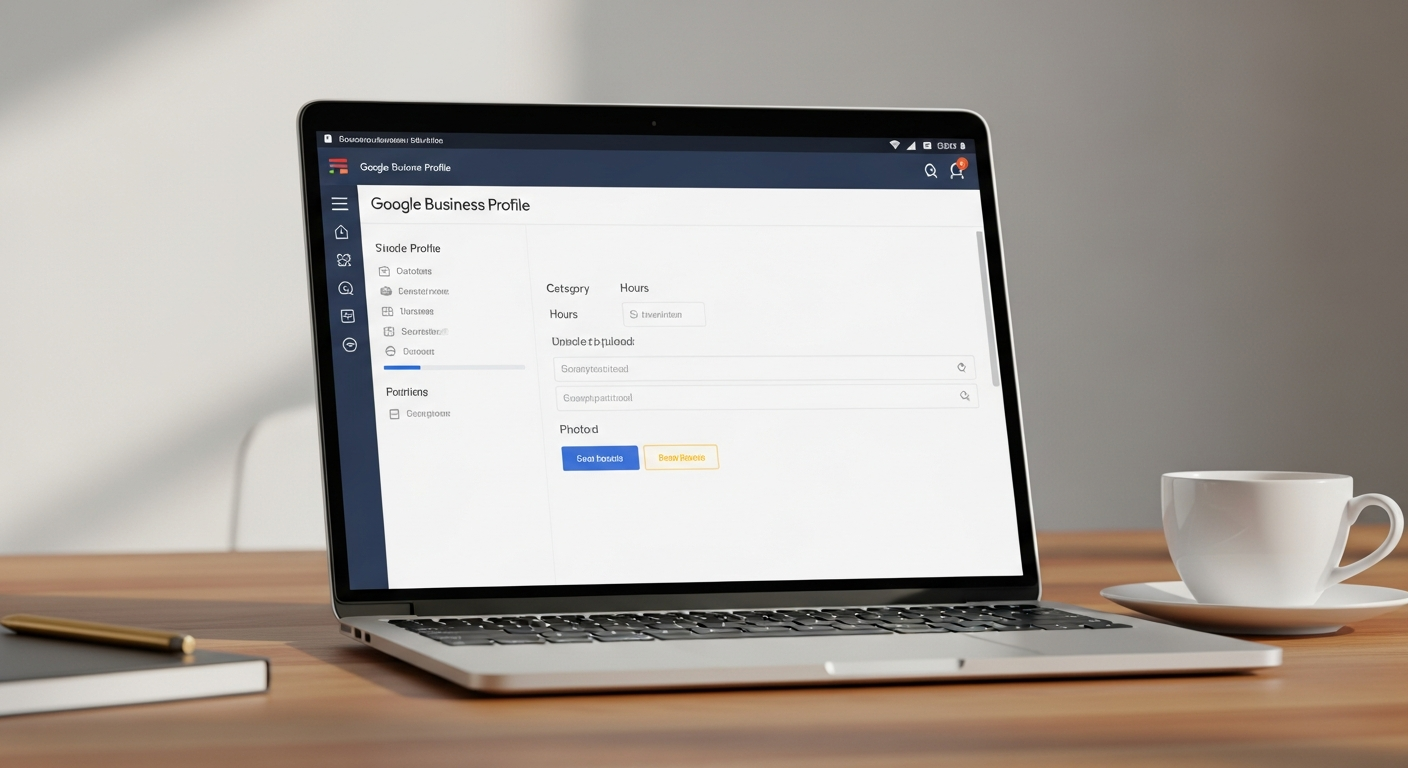
Claim and verify the profile, then fill in every field. An incomplete profile gives Google less to work with.
Work through these in order:
- Verify ownership so you can edit it.
- Set your primary category to the most accurate option, then add relevant secondary categories.
- Confirm your business name, address, and phone number are exact and current.
- Add your hours, including holiday hours.
- Write a plain description of what you do and who you serve.
- Add real photos of your work, your team, and your location.
- List your services and products.
The categories you choose matter most here. They tell Google which searches you're relevant for. Google recommends keeping the profile complete and current as a direct way to improve local ranking.
You can read short definitions of the terms here in our Glossary.
How much do reviews affect local pack ranking?
Reviews are part of the prominence factor, and they affect both your ranking and whether someone actually picks you once they see you.
Google's guidance is simple: more reviews and higher ratings can improve your local ranking. Google also asks businesses to respond to reviews, which signals that you're paying attention.
A few practical notes:
- Ask every satisfied customer for a review and make it easy with a direct link.
- Don't buy reviews or post fake ones. Google prohibits it, and removed reviews help no one.
- Reply to reviews, including critical ones, calmly and usefully.
Recency and consistency matter more than a one-time burst. A steady trickle of genuine reviews signals an active business. A spike followed by silence does not.
Want this working on your numbers?
Viewmedia makes marketing you can prove, matched to real, closed sales.
What are citations and do they still matter?


A citation is any place online that lists your business name, address, and phone number, commonly called your NAP. Think directories, your website, social profiles.
Consistency is the point. When those details match everywhere, Google has more confidence the information is correct, which supports both prominence and relevance. Conflicting addresses or old phone numbers create doubt.
You don't need to be in hundreds of directories. Focus on the major ones and any specific to your industry or city, and make sure the details match your Google Business Profile exactly.
Can I pay Google to be in the local pack?
No. The three organic listings are not for sale.
Google sells a separate ad format that can appear above the pack, clearly marked as sponsored. For some service categories it also offers Local Services Ads with a "Google Guaranteed" badge. Both are labeled as ads. Buying them does nothing to your organic ranking.
Be skeptical of any provider promising a guaranteed organic spot or "position one" in Maps. The ranking depends on factors Google controls, including where the searcher is standing. No honest provider can promise it.
How long does it take to move into the local pack?
There's no fixed timeline. It depends on your market and where you're starting from.
A complete, verified profile can start showing for relevant searches fairly quickly. Building prominence through reviews and citations takes longer because it depends on real customers and real listings accumulating over time.
The honest answer: this is ongoing maintenance, not a one-time project. Profiles that stay accurate, gather reviews, and keep consistent information tend to hold and improve their position. You can see how this fits the wider picture in our Local SEO & AI Search pillar.
What should I do this week?
Keep it simple and sequential.
Verify your Google Business Profile and complete every field. Set the most accurate primary category. Fix any address or phone mismatches across your website and major directories. Ask recent happy customers for reviews using a direct link, and start replying to the ones you already have.
That work maps directly to the three factors Google names: relevance, distance, and prominence. It won't promise you the top spot, but it puts you in the running honestly.
Founder, Viewmedia
Brian Wroblewski is the founder of Viewmedia. For more than two decades he has helped local and regional businesses turn marketing spend into provable, closed sales.